Premium Collectibles

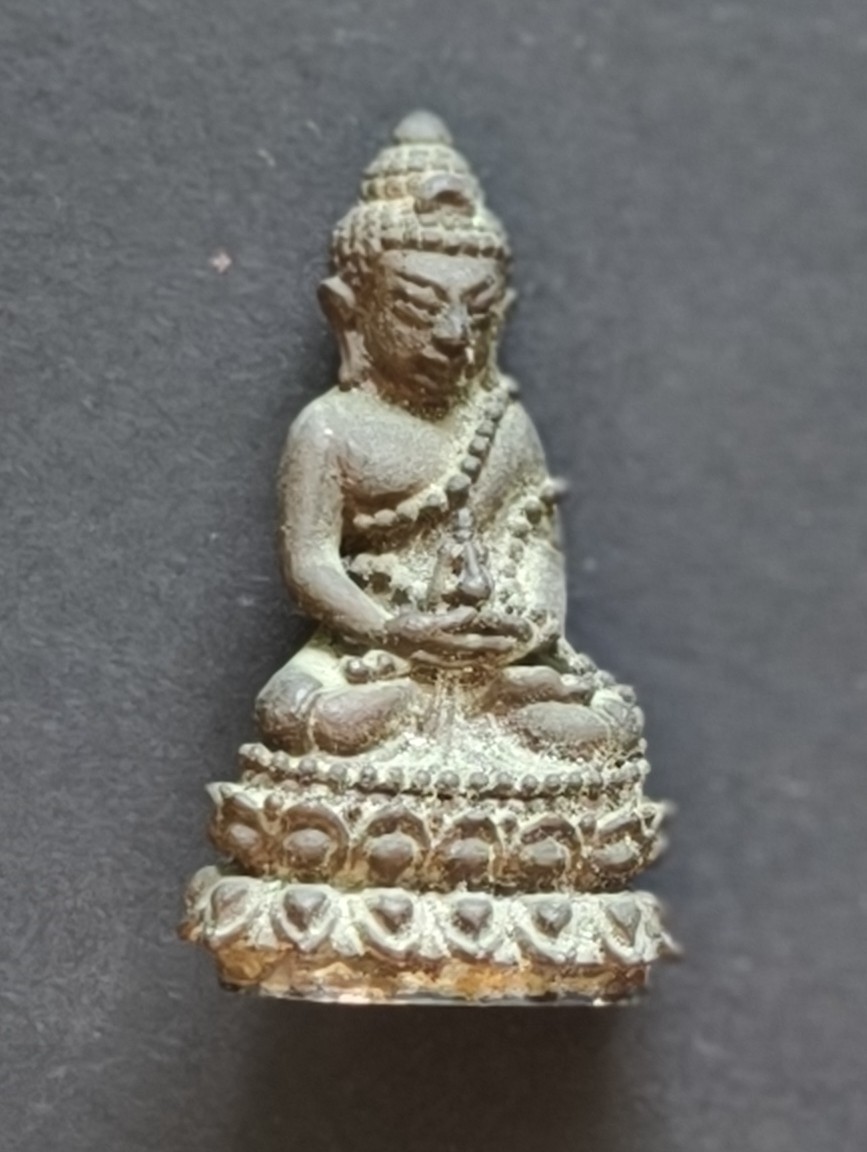
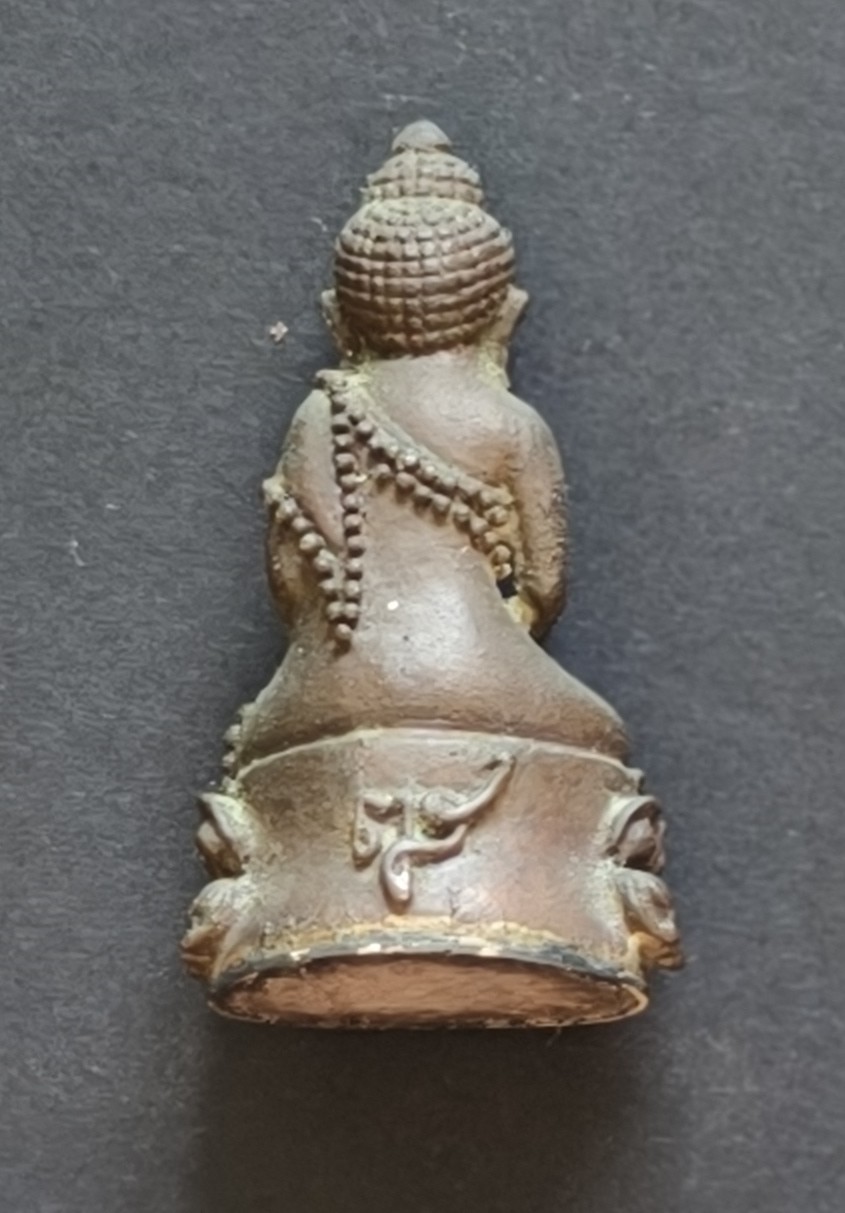
Phra Kring is one of Thailand's most revered Buddhist amulets, highly respected for its association with good health, protection, prosperity, and spiritual well-being. The name "Kring" comes from the gentle rattling sound produced by a small sacred metal bead or pellet placed inside the hollow amulet during its creation. Originally inspired by ancient Buddhist traditions from China and Tibet, Phra Kring later became firmly established in Thailand, where it has been produced by many renowned temples and revered monks. Today, it is regarded as one of the country's most prestigious and collectible Buddhist amulets.
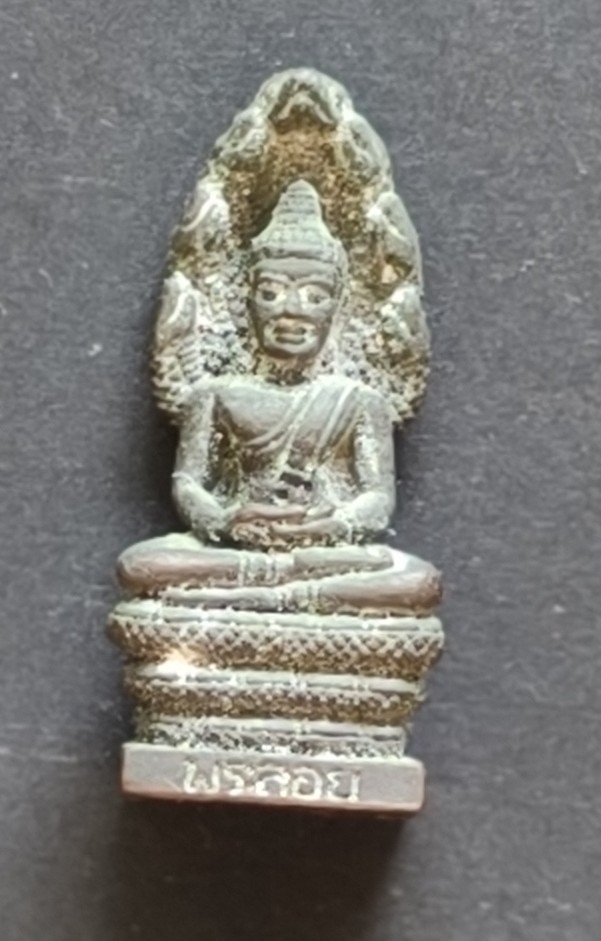
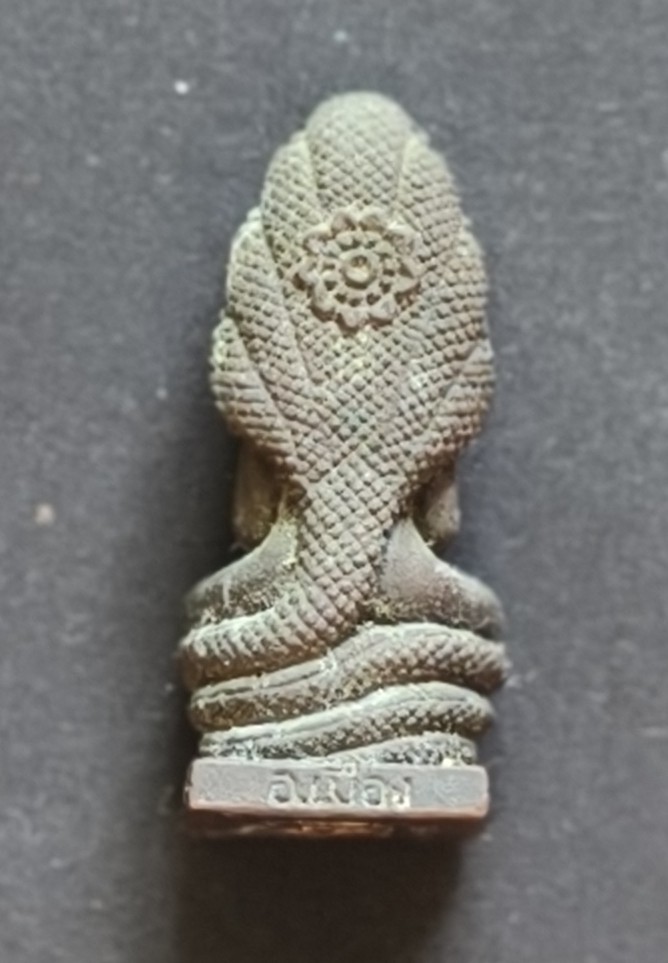
The Pang Nak Prok (Naga-Protected Buddha) is one of the most revered Buddha images in Thai Buddhism. It depicts the Buddha seated in deep meditation, sheltered by the King of the Nagas, Mucalinda, whose multi-headed hood spreads protectively over the Buddha. This image commemorates the event that occurred shortly after the Buddha attained enlightenment, when a great storm arose and Mucalinda emerged from beneath the earth to shield the Buddha from the wind and rain. The Pang Nak Prok image symbolizes unwavering faith, inner peace, and divine protection.
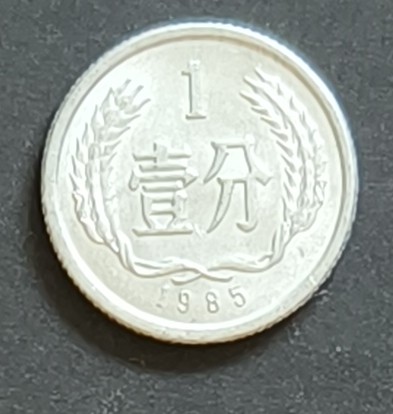
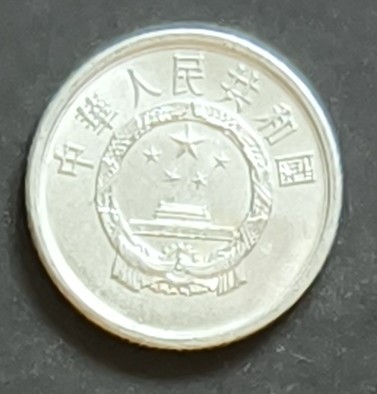
Composed of aluminum, weighs approximately 0.64 grams and has a diameter of roughly 18mm.
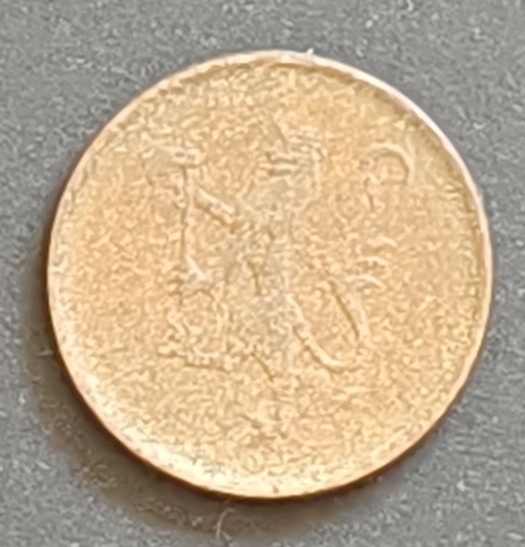
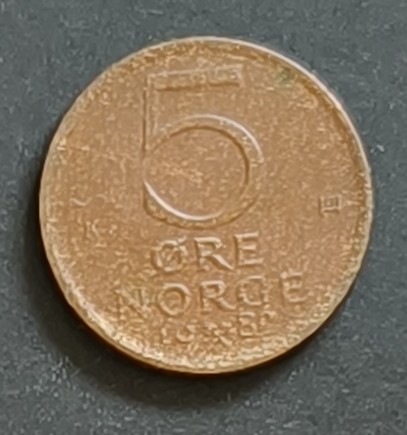
Composed of bronze and was minted in Kongsberg and has a smooth edge.
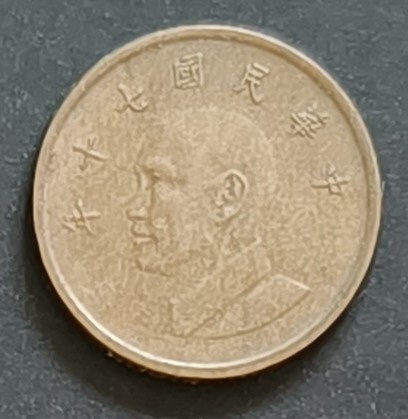
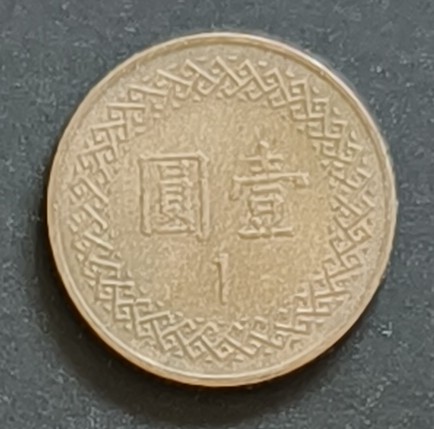
Featuring a bust of Chiang Kai-shek.
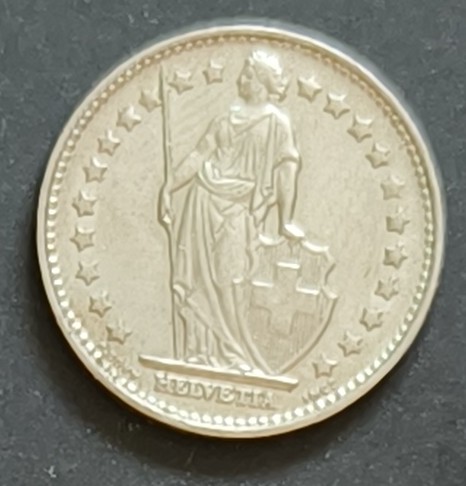
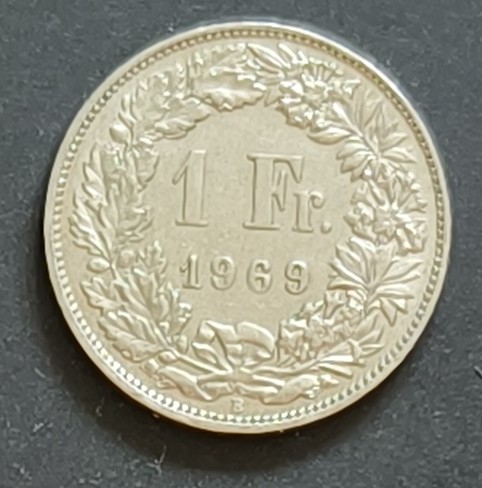
It is a circulation coin featuring a "1 Fr." denomination inside a wreath on the reverse side shown.
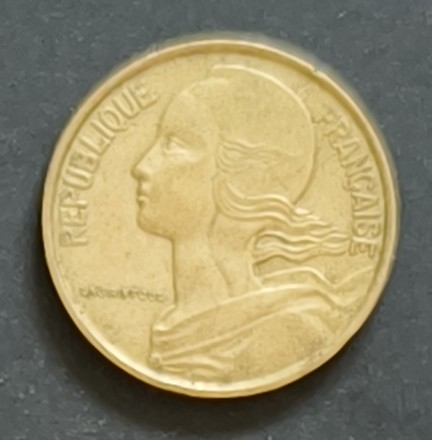
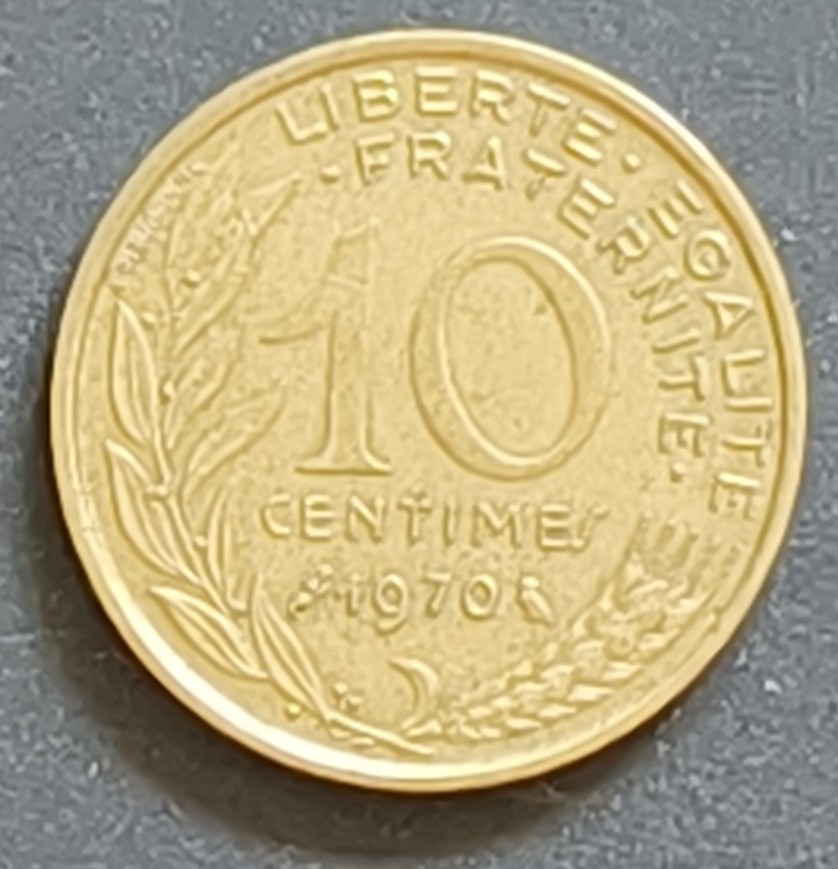
Features Marianne, a national emblem representing liberty and the Republic.
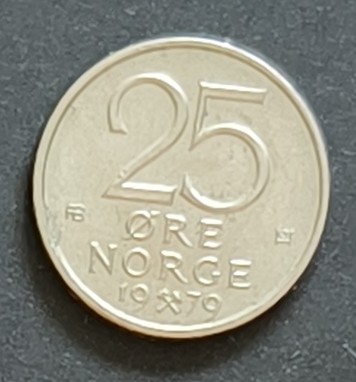
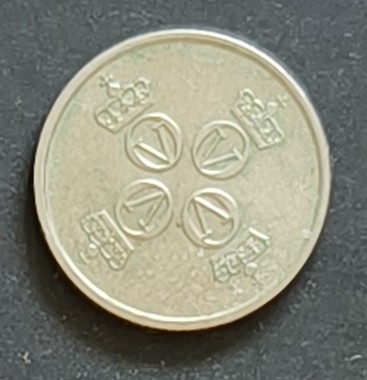
Features a copper-nickel composition and was minted in 1979. Was designed by Oivind Hansen and has a reeded edge.
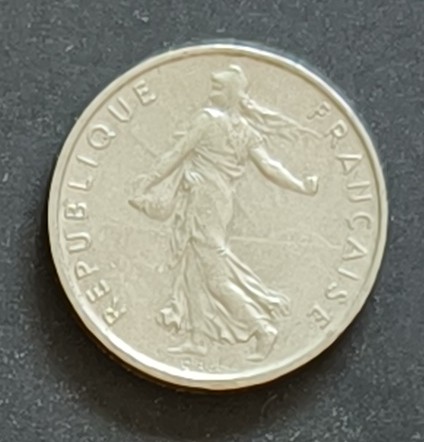
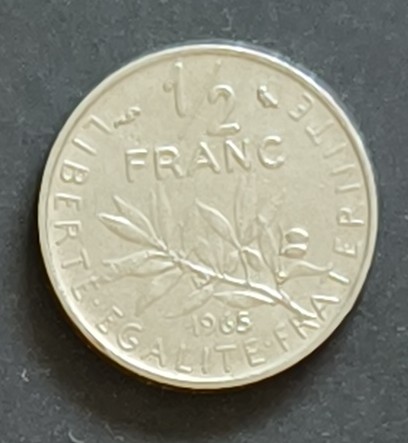
Minted from nbickel and has a reeded edge. Featuring the "Sower" design by Oscar Roty.
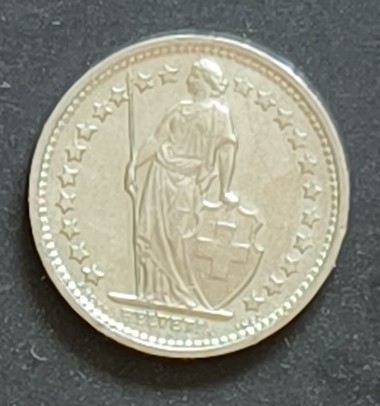
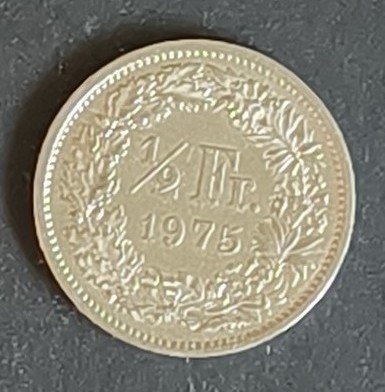
Composed of a copper-nickel alloy.
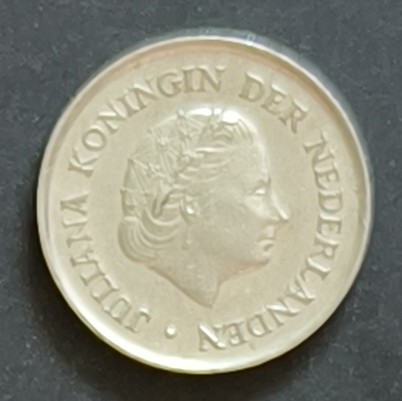
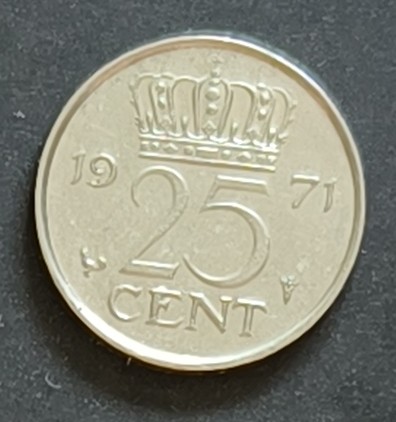
Featuring a crown above the denomination. Issued during the reign of Queen Juliana.
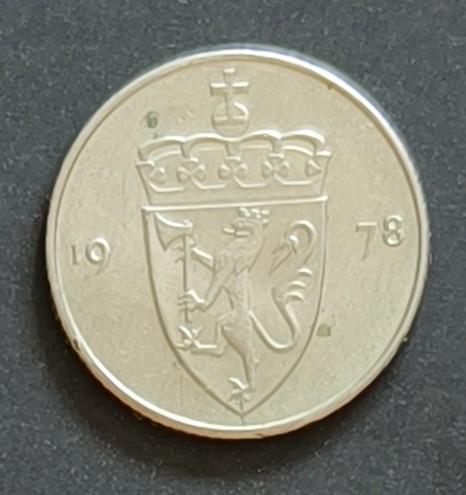
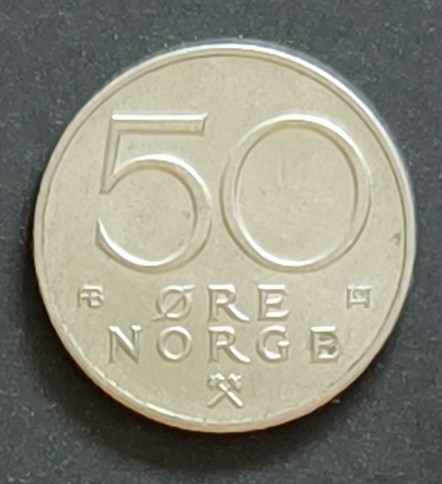
1978 coin featuring a crowned shield with a lion. Made of copper-nickel and weighs 4.8grams.